
Why do old people hate marijuana in Florida?
Voters support marijuana reform, but Florida's old political establishment keeps finding ways to stop it.
The cannabis debate in Florida is increasingly looking like a generational conflict. On one side are millions of voters who support legalization. On the other side is a small group of powerful political leaders – many of them older men from the state's political establishment – who have repeatedly used legal, political and procedural means to prevent this from happening. Why do old people hate marijuana in Florida?
The conflict was most evident in the 2024 election. Florida voters considered Amendment 3, which would have legalized recreational marijuana for adults 21 and older. The proposal received about 56 percent support statewide – a clear majority. But Florida requires a 60 percent supermajority to make constitutional amendments, meaning the measure failed even though most voters supported it.
RELATED: Marijuana Can Help Get a Spring Body with These Tips
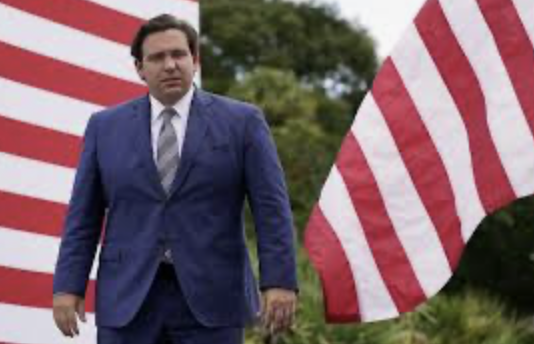
Gov. Ron DeSantis and other state leaders waged an aggressive campaign against the measure. The governor's administration funded a major public information campaign warning against legalization and urging voters to reject the change. Critics argued state resources were being effectively used to oppose an initiative supported by millions of Floridians.
But the fight didn't end in 2024. Supporters quickly began organizing a new effort to put legalization back on the ballot in 2026 through a campaign called “Smart & Safe Florida.” But the effort is now hitting another wall.
In early 2026, state officials invalidated tens of thousands of petition signatures collected by legalization advocates. The campaign argued that the state improperly discarded many of those signatures, including petitions from voters who were considered “inactive” in the election system but were still legally allowed to vote. The rejected signatures proved crucial because ballot initiatives require 880,062 valid signatures to qualify. Without them, the campaign fell short of the required threshold to get to the vote.
The dispute quickly reached the courts. Smart & Safe Florida appealed the decision and asked the Florida Supreme Court to consider whether the state improperly invalidated about 70,000 petitions.
But in March 2026, the state's highest court rejected the appeal. Because the court refused to review the case, the campaign lost its last chance to restore those signatures and qualify for the ballot. As a result, recreational marijuana legalization will not appear on Florida's 2026 ballot.
For critics, the situation reinforces the growing perception that Florida's political leadership is determined to stop cannabis legalization, regardless of public opinion. First, voters overwhelmingly supported legalization but fell short of the state's unusually high 60 percent requirement. Then a second attempt to bring the issue back to voters was blocked by administrative decisions and court rulings.
RELATED: This Sports Giants Arena Will Start Selling THC Drinks
Legalization advocates say the pattern reflects a generational divide. Younger voters and many professionals are increasingly seeing marijuana as similar to alcohol — something that can be regulated, taxed and used responsibly. But many longtime politicians built their careers at the height of the War on Drugs and still view cannabis as a serious societal threat.
The result is a political stalemate. Polls and election results indicate that a majority of Floridians support legalization. However, the government continues to fight back through political decisions, court battles and procedural barriers.
What's interesting is that even AARP, the Boomer+ generation's leading magazine, supports the marijuana movement – especially when it comes to medical uses. But for now, the message from Florida's old power structure is clear: Even if voters want legal marijuana, getting it on the ballot — or across the finish line — remains an uphill battle. The fight is tough against a group of older white men in power who are afraid of change and turning today's world into a version of the 1980s.
Post a comment: