
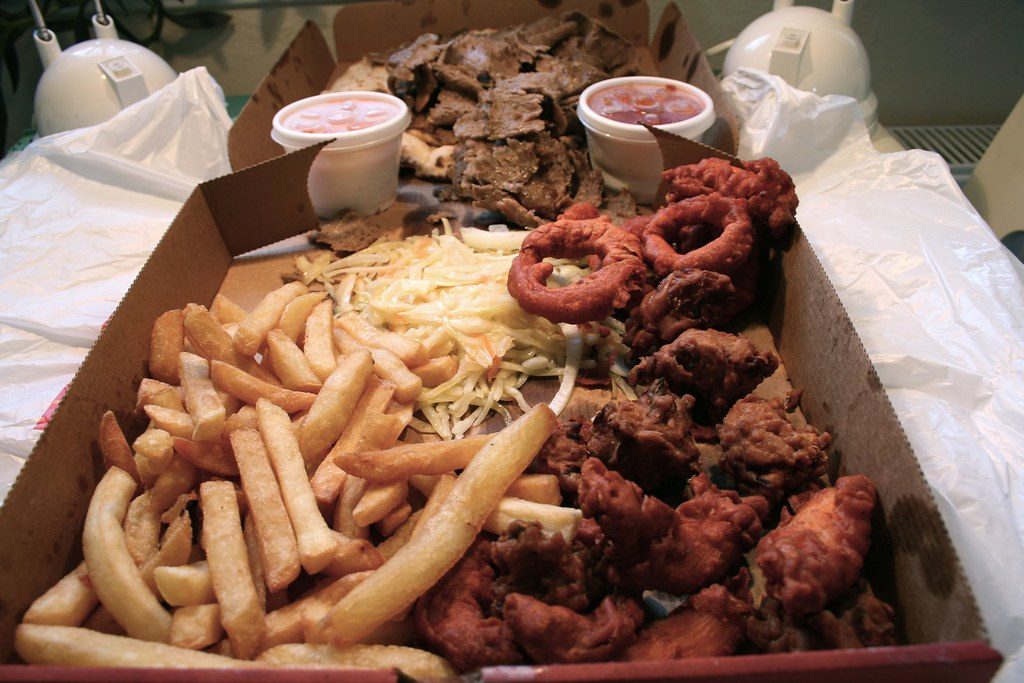
The science behind cannabis munchies and what people actually eat
The science behind cannabis munchies and what people actually eat reveals surprising snacking options beyond sugary stereotypes.
For decades, cannabis users have joked about “munchies” – the sudden urge to raid the fridge after consumption. The phenomenon has become a cultural stereotype in films, television and late-night comedy. However, modern research shows that the effect is not just popular. Scientists are increasingly studying why marijuana is the cause of cannabis cravings and what people actually eat.
The history of marijuana munchies dates back long before legalization. In the 1970s and 1980s, as cannabis culture became more visible, users often reported strong cravings for snacks after consuming THC-rich marijuana. Researchers eventually linked the phenomenon to the body's endocannabinoid system, a network of neurotransmitters that helps regulate mood, memory, pain and appetite. When certain strains of THC enter the body, it stimulates cannabinoid receptors in the brain, particularly in the hypothalamus, which can signal hunger even if someone has recently eaten something.
RELATED: Marijuana Can Help Get a Spring Body with These Tips
Today, scientists are researching in more detail how and why this increase in appetite occurs. A recent study led by researchers at Washington State University examined food cravings in a controlled experiment with human participants. In the study, 82 volunteers aged 21 to 62 inhaled either cannabis or a placebo and were then allowed to choose from a variety of snack options. The results confirmed what many users had already suspected: Cannabis significantly increased participants' food intake compared to those who had not consumed it.
However, one of the most interesting findings was not just that people ate more, but also what they chose to eat.
Contrary to the stereotype of sugary junk food, participants often gravitated towards savory, protein-rich snacks. In the experiment, beef jerky proved to be one of the most popular options among cannabis users, along with drinks such as water and fruit drinks. Researchers expected higher consumption of sweets or carbohydrate-rich snacks such as cookies, but these options were less popular than expected.
The results suggest that cravings may be more complex than a simple sugar craving. Some scientists believe that the combination of salt, protein and strong flavors could become particularly attractive if THC heightens sensory perception and makes tastes and aromas appear more intense.
Another important finding from cannabis research is that not all marijuana strains produce the same appetite effects. While THC is strongly associated with stimulating hunger, certain cannabinoids and terpene combinations can alter or even suppress appetite. For example, strains with higher levels of THCV – a cannabinoid sometimes associated with appetite control – may cause fewer cravings. Meanwhile, strains with higher THC concentrations or specific terpene profiles appear to be more likely to stimulate hunger.
RELATED: This Sports Giants Arena Will Start Selling THC Drinks
Understanding these differences will become increasingly important as cannabis products become more diverse in legal markets. Medical researchers are particularly interested in appetite-stimulating effects for patients suffering from wasting syndrome, or loss of appetite due to diseases such as cancer or HIV, for whom increased food intake may aid recovery and quality of life.
The latest evidence suggests that while cravings are very real, the foods people crave may not always be the stereotype of crisps and sweets. Instead, science suggests a more nuanced picture — one in which cannabis not only increases appetite, but also influences the types of foods people find most satiating.
As research continues, scientists hope to better understand how cannabis interacts with the brain's hunger signals and how these effects could be used therapeutically. In the meantime, the next time cannabis users feel that familiar pull to the kitchen, science is now confirming what many have known for years: Cravings aren't just a myth—they're biological at work.
Post a comment: