
Is the Sober Movement Facing a Cannabis Crisis?
From mocktails to microdosing, sobriety is no longer one definition—and cannabis is the fault line.
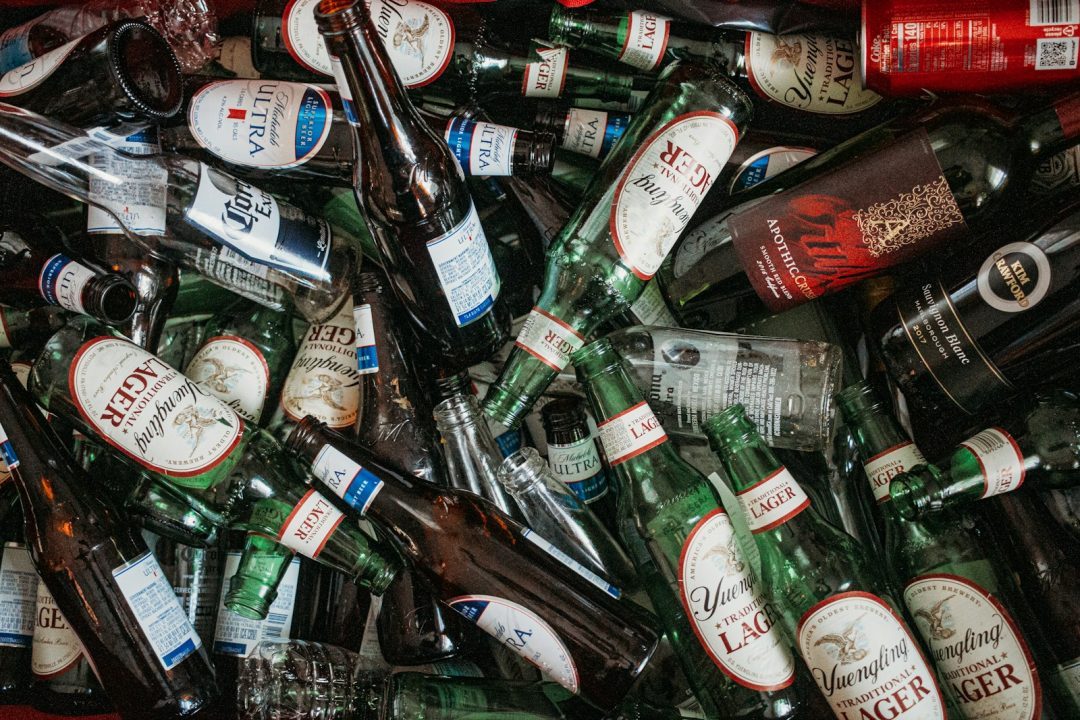
It was meant to unite people – is the sober movement facing a cannabis crisis instead?
What began as a cultural reset around alcohol is now evolving into something more complex. The original “sober, curious” wave encouraged people to rethink their relationship with alcohol and drink less, without necessarily forgoing total abstinence. But in 2026, the once-cohesive movement is splitting into two distinct camps: those who pursue a “clean, sober” lifestyle without substances, and a rapidly growing group that embraces what is often referred to as “California sobriety,” in which cannabis replaces or complements alcohol.
At the heart of this divide is a simple question with complicated implications: Can cannabis fit into a wellness-focused life?
The rise of cannabis-friendly sobriety
RELATED: This Jazz Legend Was a Big Fan of Cannabis
For many consumers, particularly younger adults, the answer is increasingly “yes.” Cannabis is being reframed not as a vice but as a tool – one that promotes relaxation, socialization and even mental health when consumed intentionally. The explosion of low-dose THC drinks, fast-acting edibles, and microdosing products is accelerating this shift.
In contrast to traditional drinking culture, which is often about excess, cannabis use in these circles tends to emphasize control. A 2.5 mg THC seltzer or carefully dosed edible is marketed less as an escape and more as a pick-me-up—a way to take the edge off without the hangover, calories, or long-term health concerns that alcohol brings.
Photo by Matthew Micah Wright/Getty Images
This has led to the emergence of cannabis-friendly social spaces, from drink bars to private events where alcohol is optional or absent altogether. For many, especially Generation Z and younger Millennials, “going out” no longer automatically means drinking. Instead, it's about creating an experience – one that aligns with personal wellness goals while enabling connection and fun.
The Backlash: Wellness influencers and recovery communities are fighting back
Not everyone is on board. As cannabis becomes more integrated into sober-curious culture, tensions are rising—particularly among wellness influencers and members of the recovery community.
Critics argue that cannabis-inclusive sobriety blurs the definition of sobriety and potentially undermines the progress of those recovering from substance use disorders. For people in recovery, abstinence is often non-negotiable and normalizing cannabis use can feel like a step backwards.
Meanwhile, parts of the wellness industry — long associated with clean living, mindfulness and purity — are grappling with their own contradictions. While some influencers openly support cannabis as a herbal medicine, others reject it completely and put it in the same category as alcohol or other intoxicants.
This has created a cultural fault line. On the one hand, there are those who see cannabis as compatible with a balanced, conscious lifestyle. On the other hand, there are those who believe that true wellness requires complete sobriety.
What bars, brands and dating culture are doing about it
RELATED: Cannabis workouts are becoming the new weekend ritual
As the gap grows, companies and social platforms are adapting quickly.
Bars and restaurants are expanding their offerings of non-alcoholic beverages, but are increasingly including cannabis-infused options where legal. Some venues now offer two menus – one for alcohol and one for THC drinks – allowing guests to choose their experience without stigma.
Brands are also infected by ambiguity. Many are positioning their products as a “social lubricant” for a new kind of nightlife that emphasizes moderation and personalization. The message is subtle but clear: you don't have to drink to fit in, and you don't have to give up alcohol completely.
Even dating culture is changing. Profiles increasingly indicate preferences such as “sober,” “social drinker,” or “420-friendly,” reflecting a growing awareness that substance choice is linked to identity and compatibility. For some, cannabis use is a dealbreaker; For others, it is a shared lifestyle.
Is cannabis the new social third space?
RELATED: The workplace is quietly getting used to cannabis
As the sober curiosity movement continues to evolve, cannabis is becoming something of a middle ground – a “third space” between alcohol consumption and complete abstinence.
Whether it ultimately closes the gap or deepens the divide remains to be seen. What is clear is that the definition of sobriety is no longer fixed. It is being rewritten in real time, shaped by changing attitudes about health, identity and what it means to feel good.
In this sense, the fragmentation of the sober curiosity movement may not be a failure at all. It might simply reflect a larger truth: wellness, like sobriety itself, is no longer a one-size-fits-all solution.
Post a comment: