
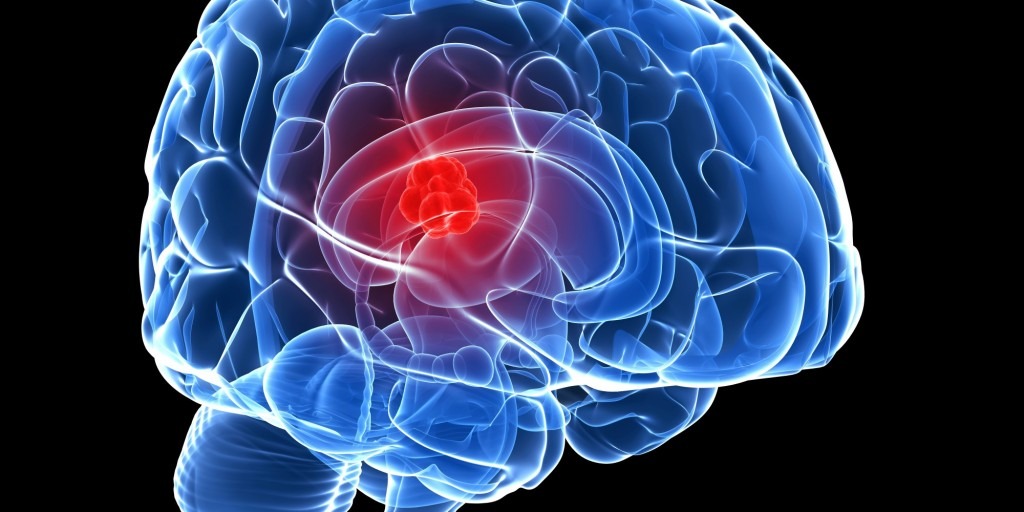
Can Drugs Hijack Your Brain?
With cannabis legal across Canada and drugs like fentanyl and heroin decriminalized in British Columbia, the question remains: can drugs hijack your brain?
It’s an all too common belief among so-called “experts” and the general public. The general idea is that drugs (or food, gambling, porn, etc.) can “hijack” the brain’s dopamine pathways and essentially force you to behave in a certain way.
Dopamine is a neurotransmitter that plays a crucial role in the brain’s reward system. The brain releases it in response to both pleasurable and painful stimuli.
Drugs like cocaine, for example, cause an excessive release of dopamine in the brain. This can lead to feelings of intense pleasure and euphoria. Over time, repeated use of these drugs can cause changes in the brain’s dopamine pathways, causing them to “hijack.”
The “experts” say the same thing can happen with cannabis, although not as severely (or as quickly) as with cocaine.
But what if that point of view is nonsense? What if labeling “dopamine” as “anything chemical” and promoting “dopamine fasting” are just Science™ moral values masquerading as fact?
Can Drugs Hijack Your Brain? Five main criticisms
Can drugs hijack your brain? There are five main criticisms of this view.
- Oversimplification. Some experts argue that hijacking the dopamine pathways is too simple to explain the complex phenomenon of addiction. They point out that drug addiction affects multiple brain regions and systems, not just the dopamine pathways.
- lack of evidence. Critics argue that there is limited direct evidence to support the kidnapping hypothesis and that the theorists base their information on indirect and circumstantial evidence.
- Dopamine is not the only factor. The hijacking hypothesis focuses solely on dopamine and its role in the brain’s reward system. However, many critics argue that other factors such as genetics, environment, and individual choices also play a role.
- Individual variability. Critics argue that the hijacking hypothesis fails to account for individual variability in how different people respond to drugs. For example, some people may be more prone to opioid addiction than others, even when exposed to the same drug.
- medication. Critics argue that the abduction hypothesis does not fully explain why some drugs, such as buprenorphine, can effectively treat addiction by stabilizing dopamine pathways, while other drugs, such as cocaine, lead to abduction.
Neuroscience is on everyone’s lips, especially among people who want to optimize (or eliminate, change or modify) certain behaviors. But neuroscience relies on correlative evidence to link brain activity to behavior or mental processes.
However, correlation does not imply causation. Associations between variables cannot and will not prove causality.
Reducing the mind to mere brain activity oversimplifies the complex nature of conscious experience. Current neuroscientific methods are not equipped to capture the holistic nature of the mind.
Neuroscience relies heavily on imaging techniques such as fMRI to study the brain. However, these methods have limitations, such as B. a poor temporal resolution.
But ultimately the problem is that neuroscience cannot determine the exact nature of the relationship between brain activity and mental processes.
Neuroscience cannot study the mind objectively.
With that in mind, is there any evidence to support the belief that drugs can hijack the mind?
Is dopamine too simple an explanation?

The hijacking of dopamine pathways is too simplistic an explanation for the complex phenomenon of consciousness and the desire to use drugs. Consider what drug addiction entails.
- Involvement of multiple brain regions. Drug addiction is a complex process involving many brain regions, not just the dopamine pathways. Other brain regions implicated in addiction include the prefrontal cortex, the amygdala, and the hippocampus. These regions regulate emotions, motivation, decision-making, and learning, all of which can be affected by addiction to certain drugs or activities.
- neuroplasticity. Drug addiction is a process that leads to changes in the brain over time. These changes, known as neuroplasticity, occur in multiple brain regions and can lead to the development of new neural pathways that support drug seeking and use. But that’s what happens when you learn a new habit. No one feels compelled to drive, but most of us can do it while we sleep thanks to neuroplasticity.
- psychological and environmental factorsS. Drug addiction is not just a matter of brain chemistry. It also includes psychological and environmental factors such as stress, trauma and cost of living that can contribute to its development and maintenance. For example, notorious alcoholic Charles Bukowski drank significantly less later in life when he encountered money and success.
- Interactions with other systems. Drug addiction also involves interactions with other systems in the body, such as the stress response system and the immune system.
- Individual variability. Drug addiction is a complex and highly personal phenomenon that can be influenced by various factors such as genetics, personality and environment.
Five Reasons “Dopamine hijacking” is a theory
- lack of direct measurements. There is a lack of direct measurements of dopamine levels in the brain during drug use, making it difficult to establish dopamine’s role in addiction.
- Indirect measurements. Evidence for the hijacking hypothesis is based primarily on indirect measurements of dopamine, such as PET scans and functional MRI. These only provide a snapshot of the brain. They do not reflect the complex and dynamic changes that occur in the brain over time. Some critics argue that brain scans are like reading tea leaves.
- circumstantial. Critics argue that much of the evidence supporting the kidnapping hypothesis is circumstantial and based on correlations between drug use and dopamine release. So far, no direct cause-effect relationships could be determined.
- Model Constraints: The researchers base the hijacking hypothesis on animal studies, which are limited in generalizing to humans. For example, the methods used to study drug addiction in animals, such as B. Self-administration models may not accurately reflect human complexity and heterogeneity. Not to mention that unlike animals, we don’t always rely on our instincts. We can think and argue.
- complexity of the brain. Critics argue that the brain is a complex system and that the hijacking hypothesis oversimplifies the many factors and processes involved.
Five more reasons “Dopamine hijacking” is a theory
- Individual Differences. Individual differences such as personality, coping skills, and motives for drug use may also play a role in the development of drug addiction.
- Interactions with other systems. Critics argue that the hijacking hypothesis focuses solely on dopamine and the brain’s reward system. It neglects other methods such as the stress system, which can also play a role in drug addiction.
- Differences in drug sensitivity. Some individuals may be more sensitive to the rewarding effects of drugs, making them more susceptible to addiction. The hijacking hypothesis doesn’t explain why some people love cannabis while others hate it. Or why some people can enjoy cocaine at a party but don’t touch it for weeks.
- Different drug use patterns. Different people may have different drug use patterns, such as: B. Frequency and dose that may contribute to the development of dependence. The abduction hypothesis does not consider the role of these differences in drug use patterns.
- Different mechanisms of action. Some experts argue that the hijacking hypothesis does not fully explain why some drugs like buprenorphine can stabilize dopamine pathways while other drugs like cocaine cause hijacking. Different mechanisms of action could play a role in this discrepancy, for example how drugs bind to brain receptors. Differences in the effects of drugs on multiple brain systems, beyond the dopamine pathways, may also play a role.
Can Drugs Hijack Your Brain?

Can Drugs Hijack Your Brain By Hijacking Your Dopamine? If that belief helps you get through life, don’t let me stop you.
The notion that drugs or certain activities can “hijack” your brain and make you addicted is a theory based on indirect and circumstantial evidence.
Drug addiction is a complex phenomenon that the hijacking hypothesis cannot fully explain.
There are many reasons to criticize drug decriminalization in British Columbia. Especially when the “experts” believe that only the “stigma” attached to drugs being illegal keeps people from seeking help.
But suppose you oppose decriminalization or legalization based on the hypothesis that drugs can “hijack” your brain.
In that case, you might as well oppose gay marriage based on words written in a religious text. That means you can object to drugs on a moral or ethical basis. But you lose all credibility once you decide what is best for others. Especially when your justification is Science™.
Drug use, whether it’s a dab of cannabis shatter, a bottle of beer, a hit of LSD, or a series of cocaine, involves the release of numerous neurochemicals and hormones in the body. This leads to a complex interplay of effects.
By attributing drug addiction solely to dopamine, we encourage individuals to externalize the problem and blame it on a neurotransmitter. But it’s more productive to focus on the cognitive and behavioral aspects of drug addiction.
If the “experts” want to help, they should draw attention to the actions, motivations and cultural or societal significance of drug use. You should focus on changing people’s beliefs about drugs instead of becoming fixated on these irrelevant neurochemicals.
Post a comment: